
Description
Product Overview
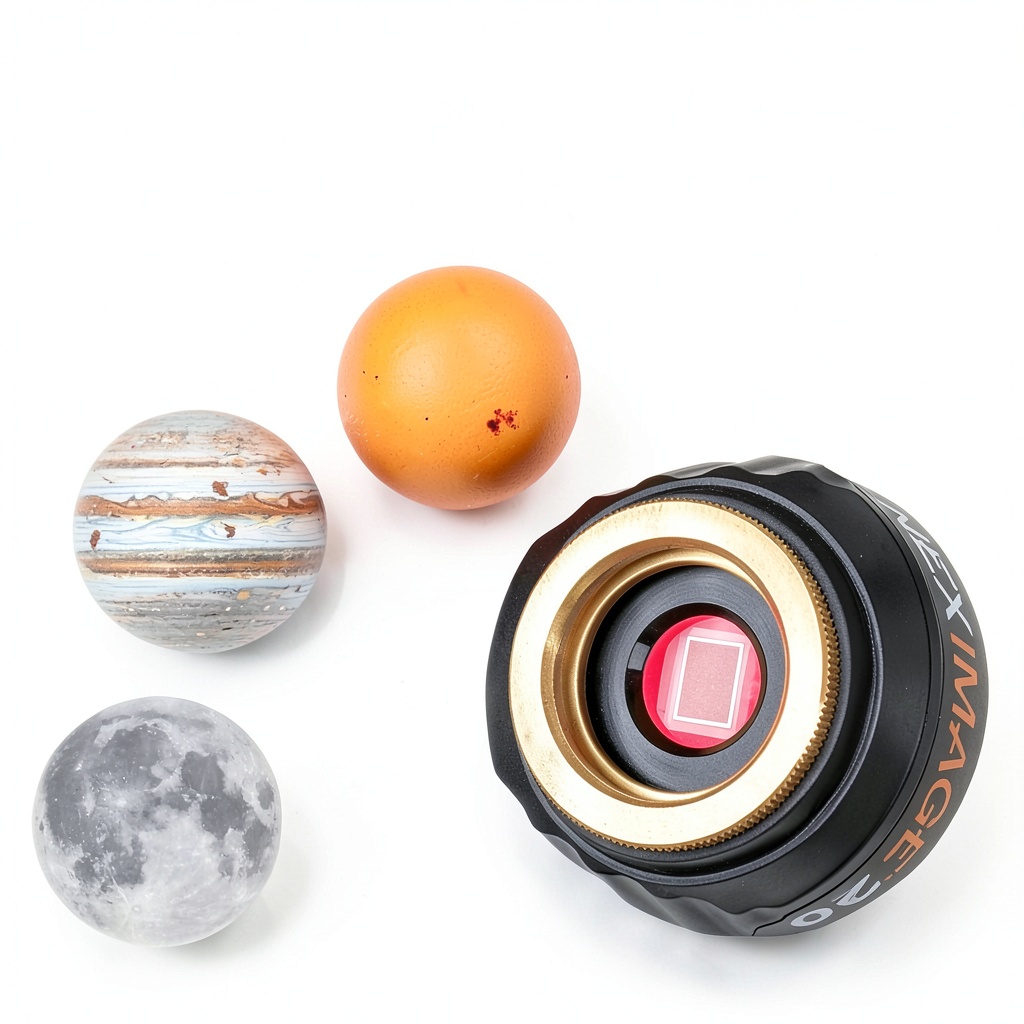
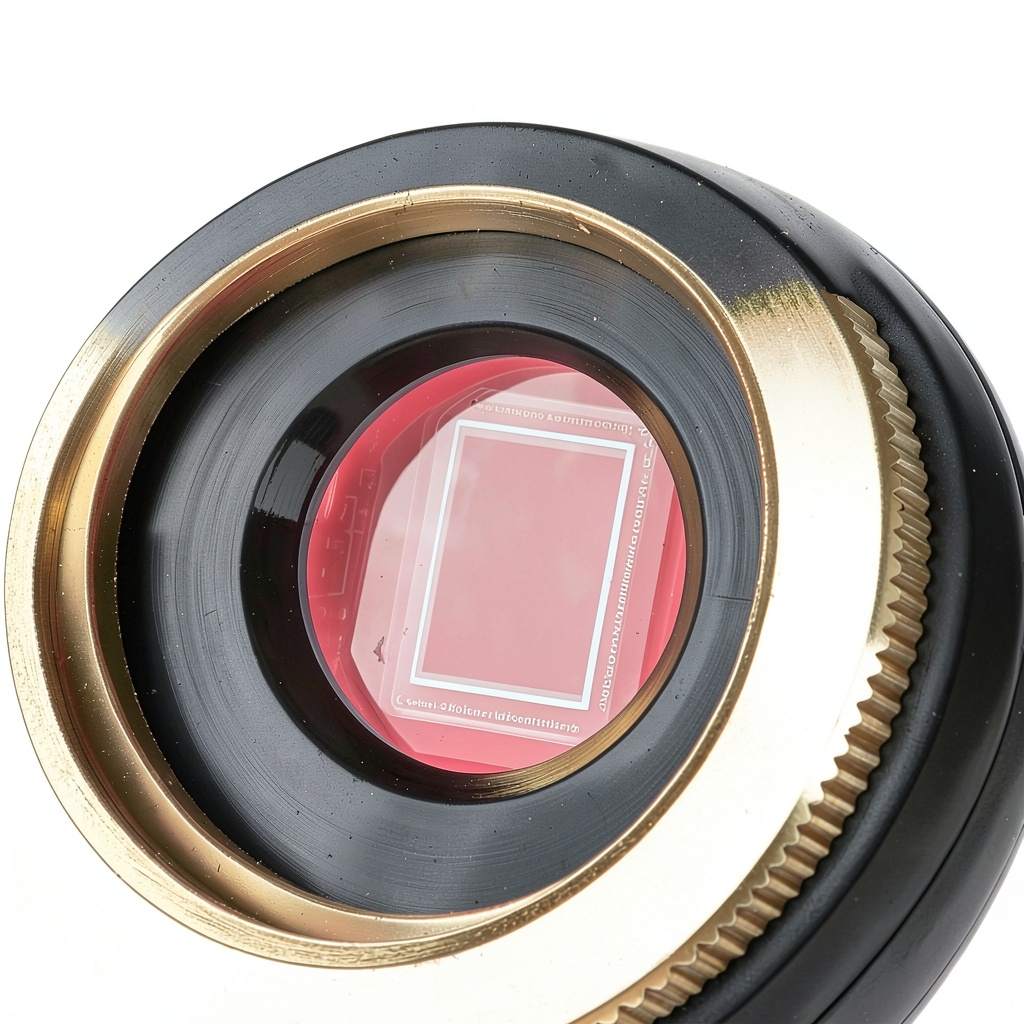
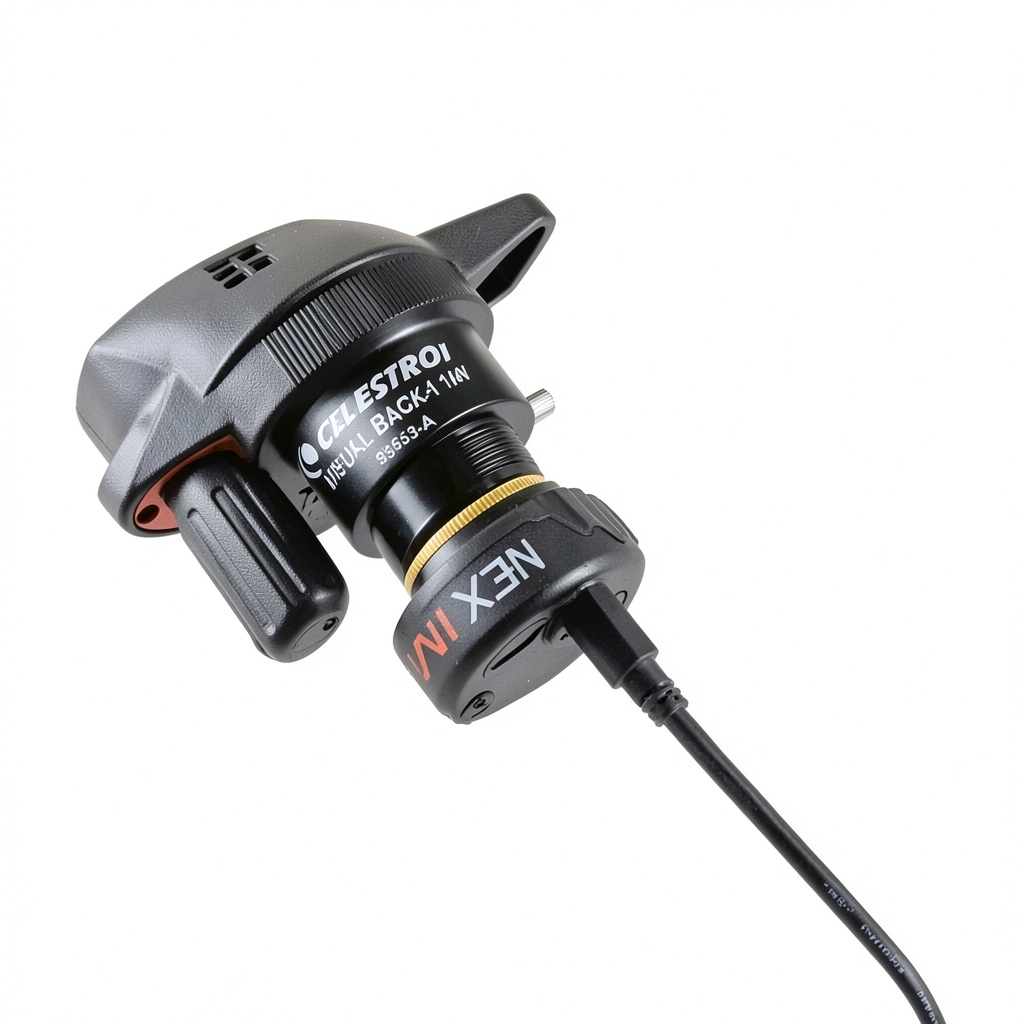
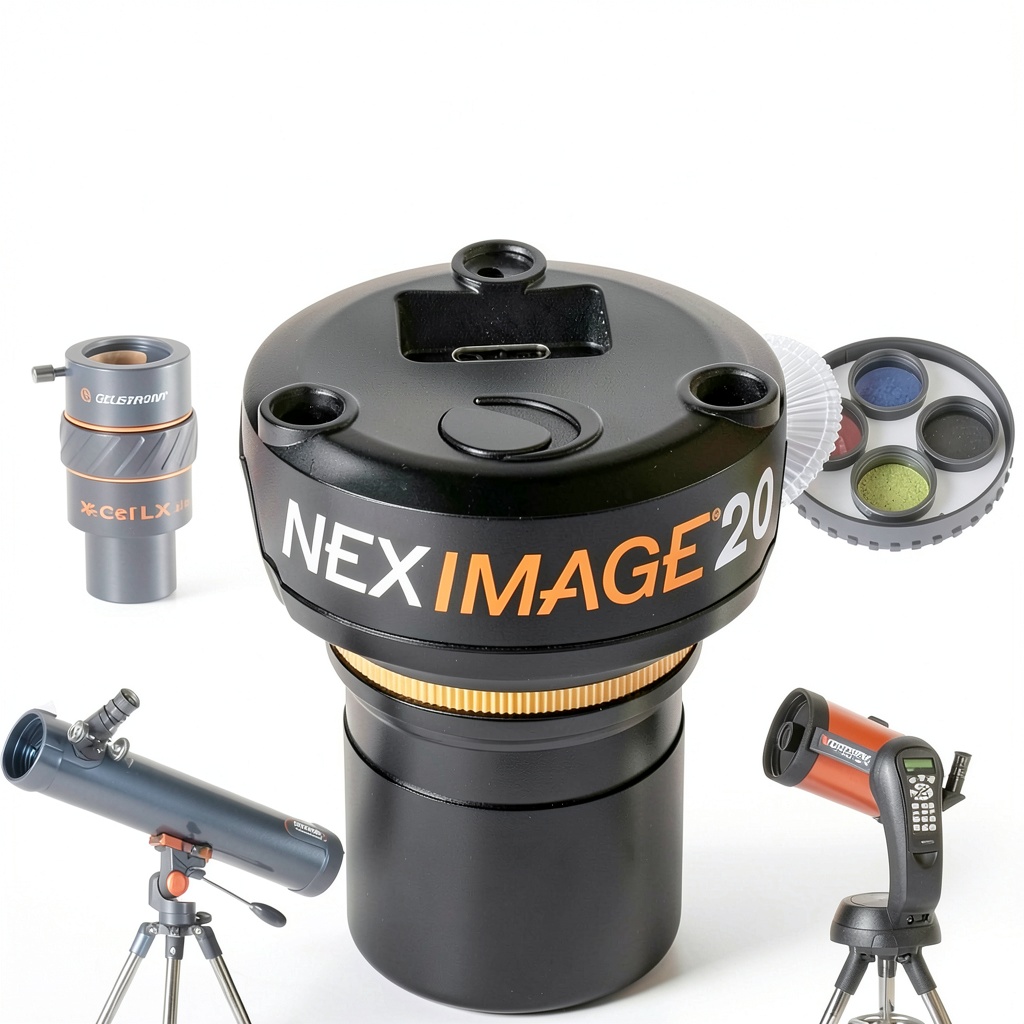
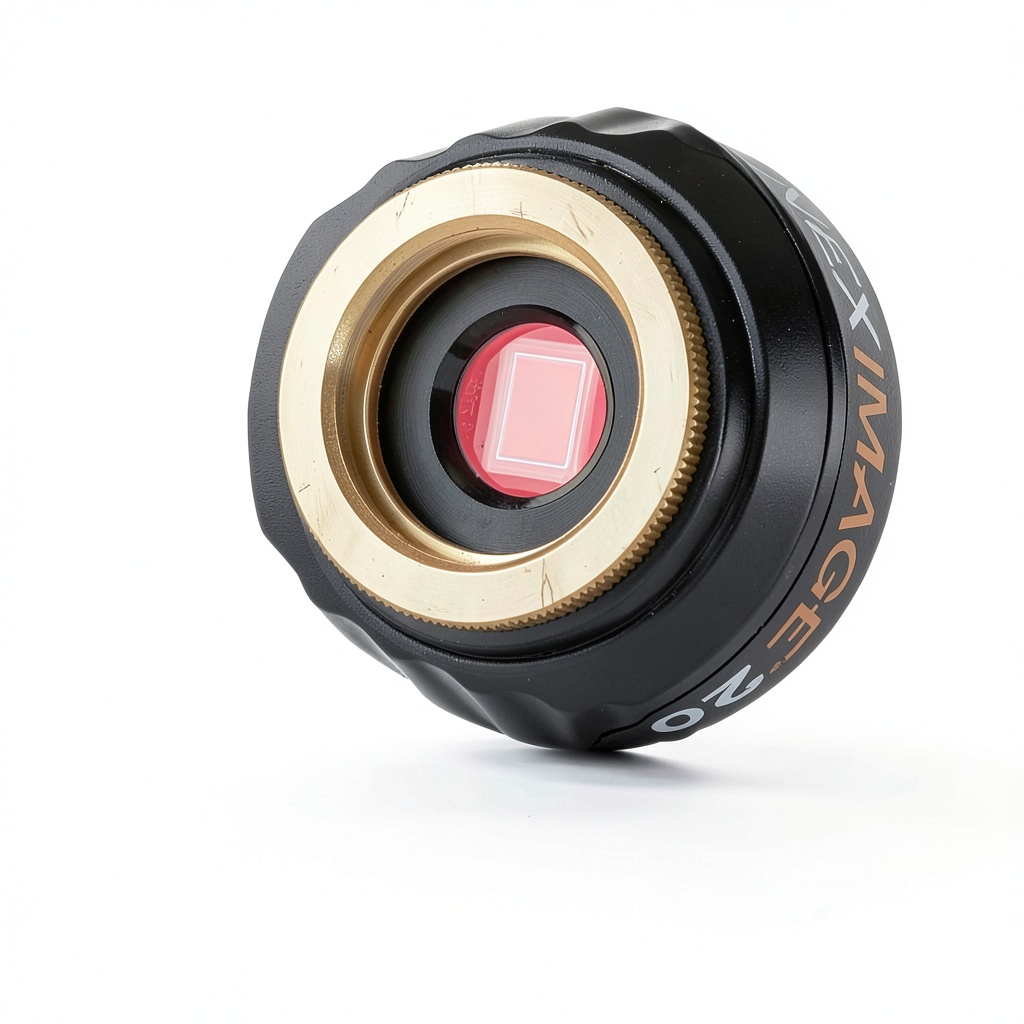
The Celestron NexImage 20 is a purpose‑built Solar System camera that combines a 20 MP AR2020 back‑illuminated CMOS sensor with modern USB‑C connectivity and intelligent software control. The sensor measures 5240 × 3840 pixels with 1.4 µm pixel size, delivering exceptional resolution and low read noise that brings out fine lunar craters, planetary banding, and solar granulation with remarkable clarity. The camera’s compact housing measures just 1.9 × 1.1 × 1.9 inches and weighs 13.12 oz, making it easy to mount on a variety of telescopes without adding significant load. Included in the package is a USB‑A to USB‑C cable, iCap capture software, and a two‑year US warranty backed by Celestron’s long‑standing support team.
![[Product front view showing all components]](https://www.talefinds.store/wp-content/uploads/2026/08/cf3aba696b3e437582c283a9595ca226.jpg)
Usage
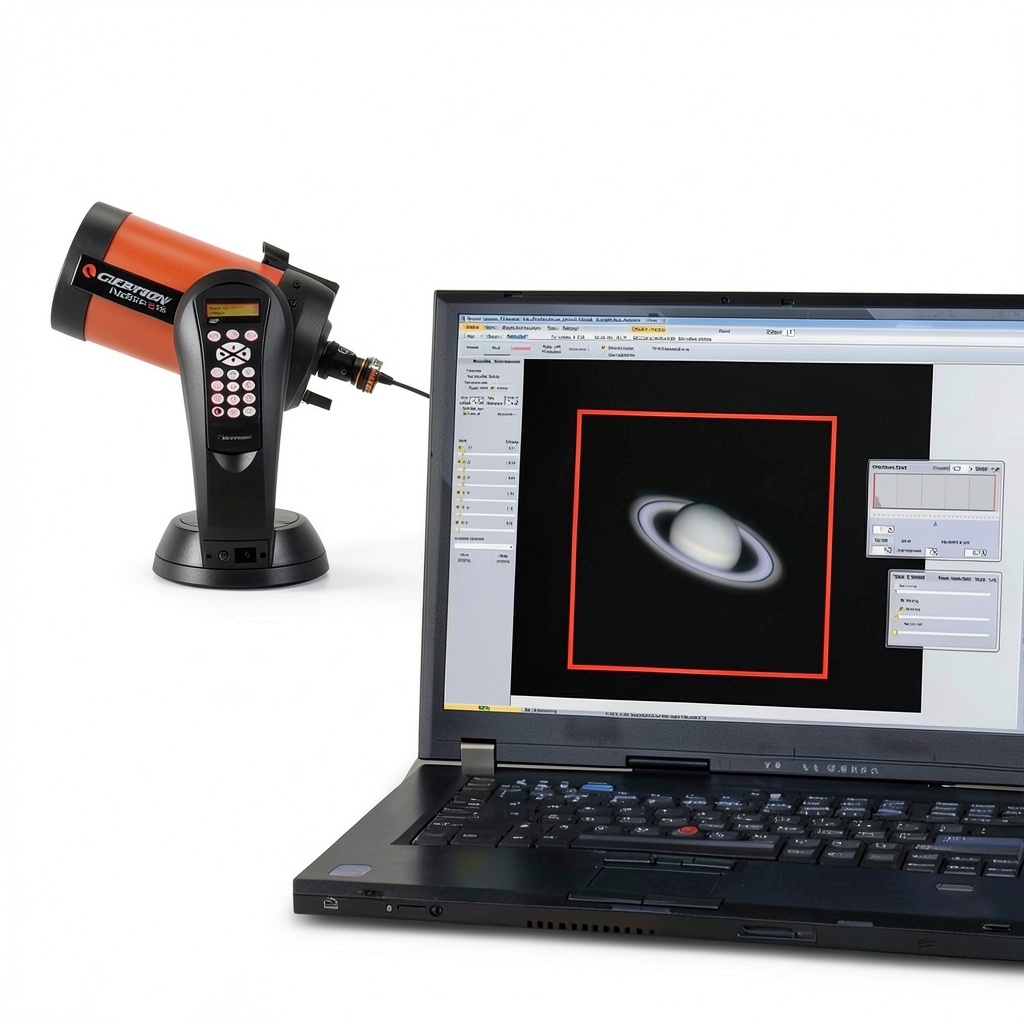
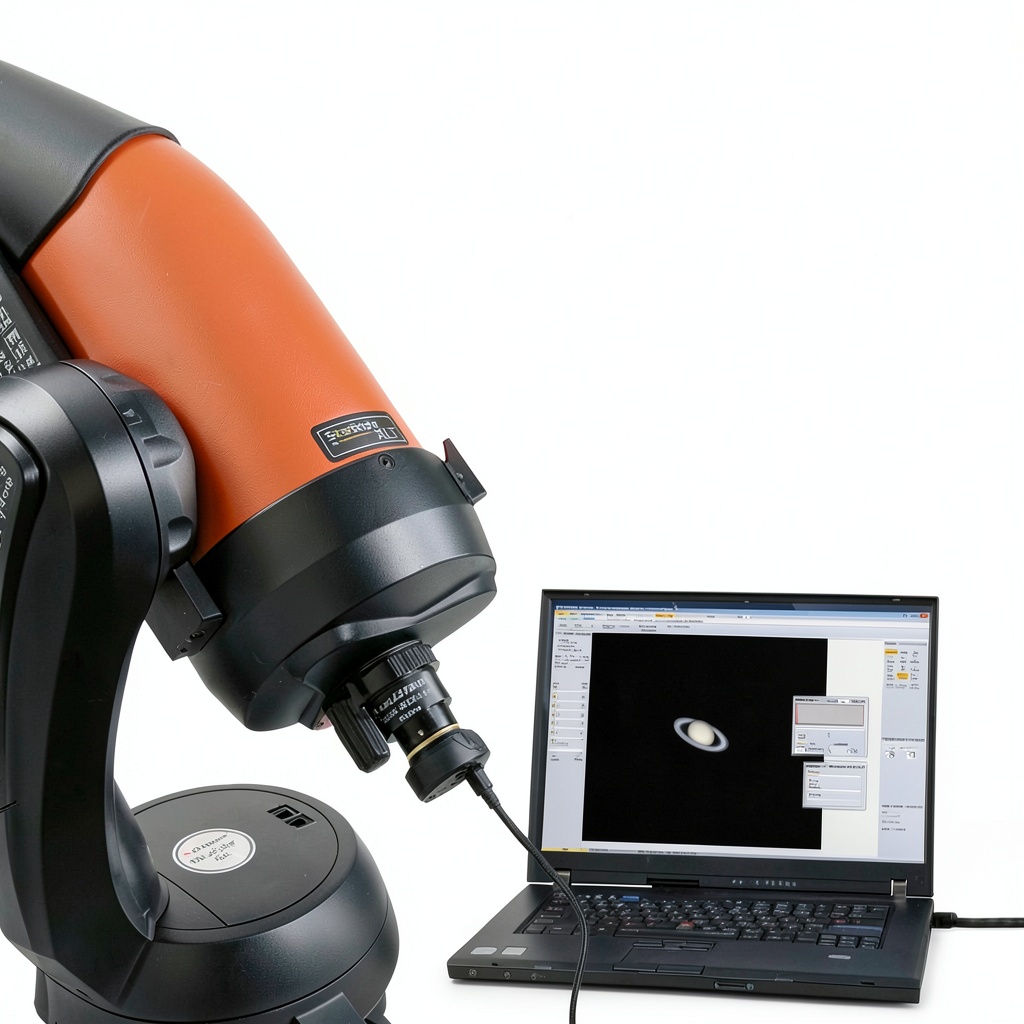
Designed for hobby astronomers and serious planetary imagers, the NexImage 20 excels in a range of observing conditions. Whether you are imaging the Moon’s rugged terrain, tracking Jupiter’s swirling storms, or capturing the delicate rings of Saturn, the camera’s high frame rate and low noise performance ensure that even short seeing windows produce usable data. The built‑in ROI (Region of Interest) feature lets you crop the sensor to a smaller area, increasing frame rates and reducing file sizes—ideal when focusing on small planetary disks. Additionally, the camera can be attached to a guidescope and used as an autoguider, providing precise tracking for deep‑sky exposures when paired with a larger imaging system.
Why Choose Us
Celestron has been a trusted name in astronomy since 1960, and the NexImage 20 reflects that heritage through rigorous quality control, durable construction, and thoughtful feature integration. The back‑illuminated CMOS sensor offers superior quantum efficiency compared to traditional front‑illuminated designs, translating into brighter images with less exposure time. USB‑C connectivity eliminates the need for external power adapters, simplifying cabling and reducing potential points of failure. The included iCap software gives users granular control over gain, exposure, frame rate, and white balance, while also supporting real‑time preview and live stacking. Finally, the two‑year US warranty and unlimited technical support provide peace of mind for every purchase.
Key Features
- 20 MP AR2020 back‑illuminated CMOS sensor delivers ultra‑high resolution and low noise for detailed planetary and lunar imaging.
- USB‑C interface provides fast, reliable data transfer without the need for external power supplies.
- Region of Interest (ROI) cropping boosts frame rates and reduces file sizes, perfect for small‑scale Solar System targets.
- Built‑in autoguiding support enables accurate tracking when used with a guidescope for deep‑sky imaging.
- Includes iCap capture software and comes with a 2‑year US warranty plus unlimited support from Celestron experts.
FAQ
What telescopes are compatible with the NexImage 20?
The NexImage 20 works with any telescope that has a standard 1.25‑inch or 2‑inch focuser. Its compact size and lightweight design make it suitable for both refractors and reflectors, and the USB‑C cable can reach most modern computer setups without additional adapters.
Do I need a solar filter to image the Sun?
Yes. While the camera is optimized for Solar System targets, a proper solar filter must be placed in front of the telescope’s aperture when imaging the Sun to protect both the sensor and your eyes.
Can the NexImage 20 be used for deep‑sky imaging?
Absolutely. By attaching the camera to a dedicated guidescope, you can use its autoguiding capability to provide precise tracking for long exposures on a separate imaging telescope, improving the quality of deep‑sky frames.
What software is required to operate the camera?
The included iCap capture software offers full control over all camera settings, live preview, and stacking options. It is compatible with Windows and macOS, and it integrates with popular third‑party astrophotography tools if you prefer a different workflow.
How does the ROI feature improve my imaging workflow?
ROI allows you to select a smaller portion of the sensor that matches the angular size of your target. This reduces the amount of data captured per frame, increasing the maximum frame rate and decreasing storage requirements, which is especially useful when imaging fast‑moving planets.
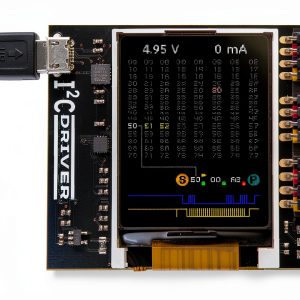 I2CDriver
Reviews
There are no reviews yet.